AI and The Potential Risks of Autonomous War Bots
In 2008, I had the opportunity to tour SPAWAR, the Space and Naval Warfare Systems Command, now known as NAVWAR. SPA/NAVWAR is a research and development laboratory for the U.S. Navy. During my visit, I was fascinated by the various autonomous military robots that were being developed and tested there. I photographed the tour and wrote about it for WIRED News.
Fast-forward to 2023, and with the emergence of large language models like ChatGPT and Bing AI, it's possible to imagine how these robots could be controlled using AI in ways that are frankly somewhat terrifying. With great power comes great responsibility, and we must consider the potential risks of relying on AI-powered machines in warfare.
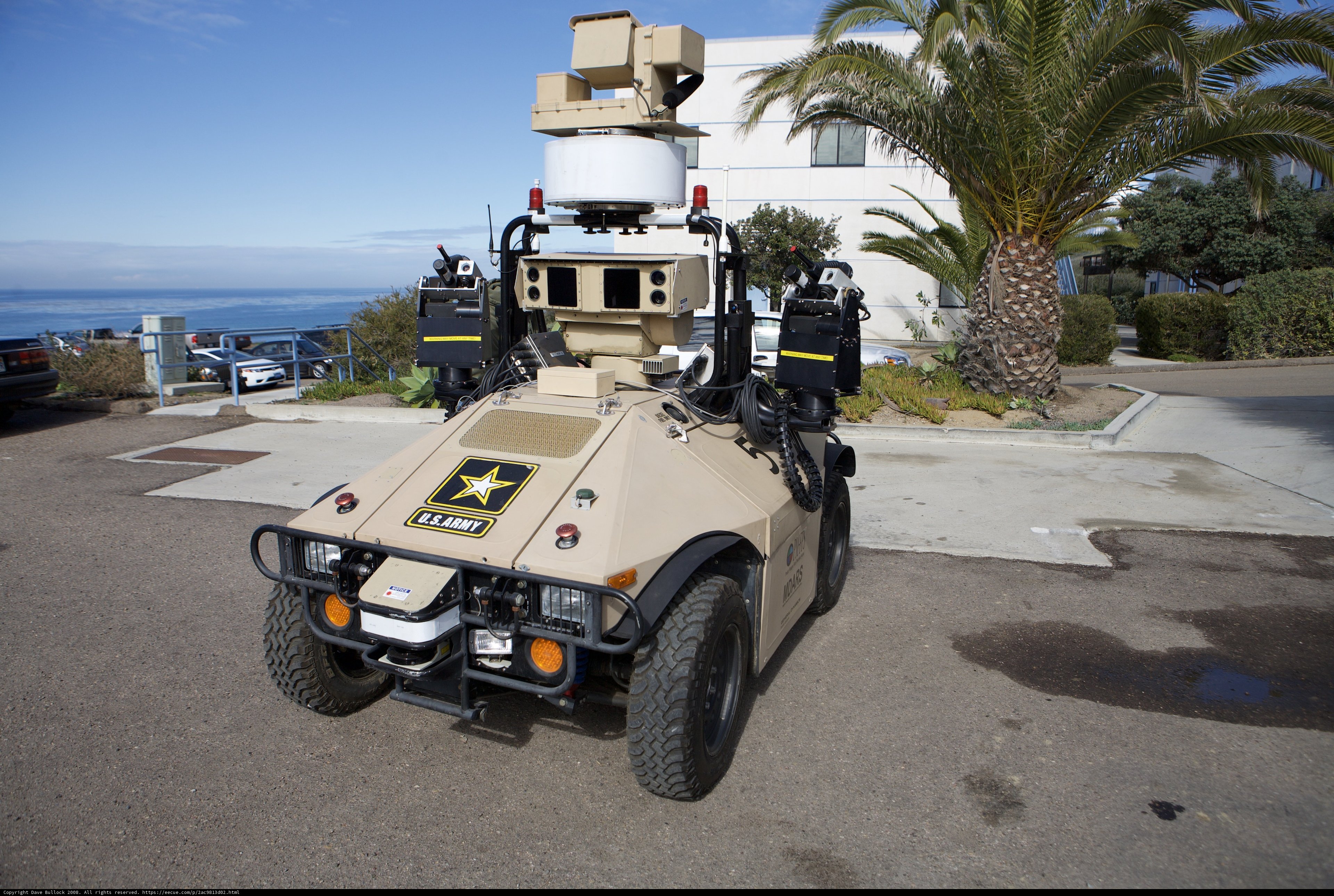
How Large Language Models Could Control Autonomous Robots for War
Large language models like ChatGPT are designed to understand and generate human-like language. They work by training on vast amounts of text data, which enables them to recognize patterns and make predictions about what words are likely to come next in a sentence. With this ability, it's possible to use natural language commands to control autonomous robots on the battlefield.
For example, a commander could use a chatbot interface to ask an autonomous drone to perform a specific task, such as "Scan the area for enemy activity and report back." The drone would then use its onboard sensors to perform the task and send the results back to the commander. This type of interaction could reduce the need for human operators in dangerous situations and provide real-time intelligence to decision-makers.
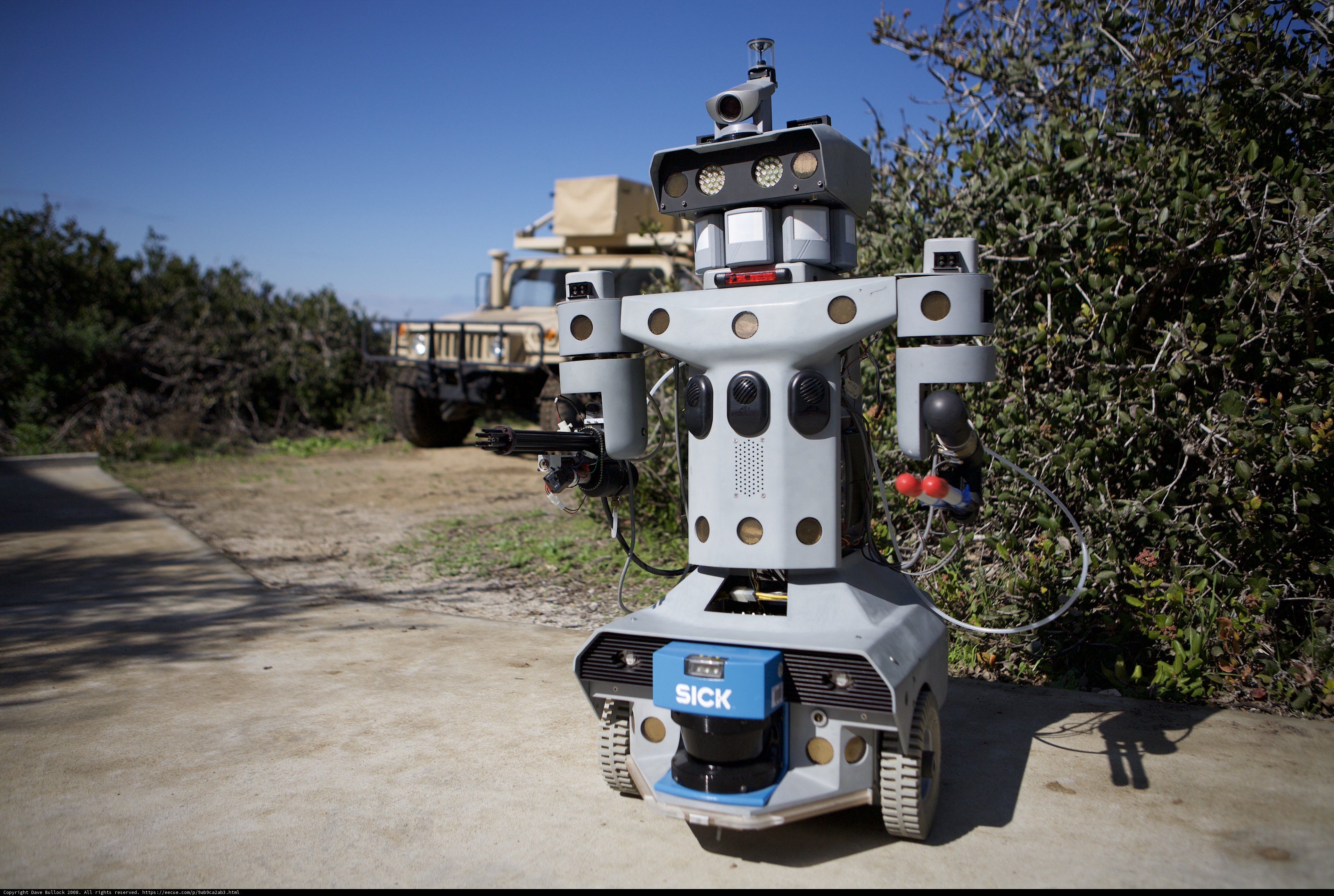
The Potential Risks of Autonomous War Machines
While the idea of using AI-powered machines in warfare may seem appealing, it's important to consider the potential risks. One major concern is the possibility of unintended consequences. Autonomous robots rely on algorithms and programming to make decisions, and there's always the risk of a bug or glitch causing the machine to behave in unexpected ways. This could lead to unintended harm to civilians or friendly forces.
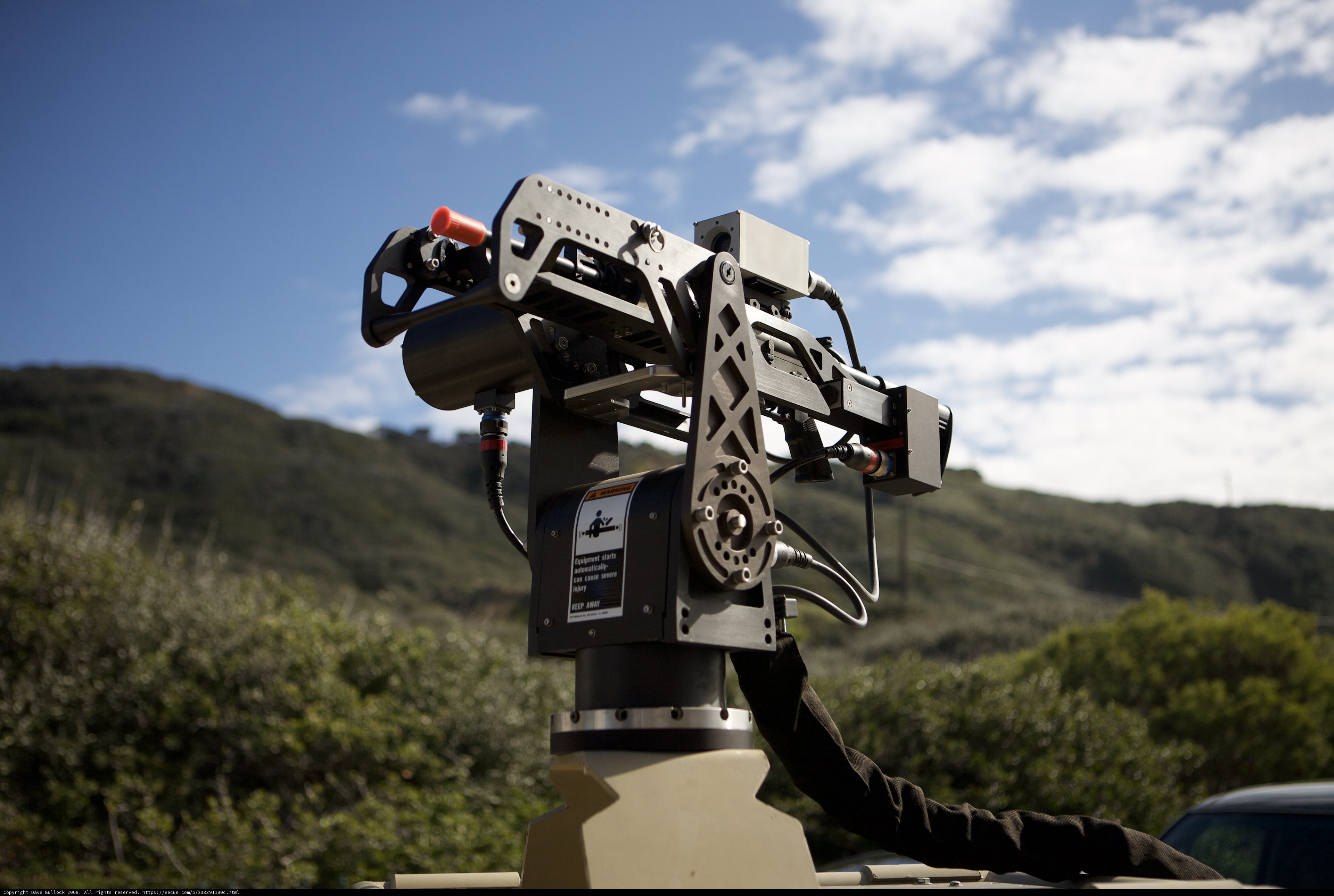
Another concern is the potential for hackers to gain control of autonomous robots. If an adversary were able to gain access to the communication channels used to control the machines, they could potentially cause havoc on the battlefield. They could redirect drones to attack friendly forces or civilians, or use them for reconnaissance to gain a tactical advantage.