Journal

Posts tagged "Natural Language Processing"

3 posts

May 2023

Recurrent Neural Networks: Understanding Sequential Data

NOTE: This post is part of my Machine Learning Series where I discuss how AI/ML works and how it has evolved over the last few decades.

Recurrent Neural Networks (RNNs) are a class of neural networks designed to handle sequential data. Whether it's analyzing time series, understanding natural language, or predicting stock prices, RNNs are powerful tools for capturing temporal dependencies in data. In this post, we'll delve into the structure of RNNs, how they process sequences, and their practical applications.

RNN Architecture

An RNN is composed of neurons that are organized in layers, with each neuron receiving input from the previous time step and the current input. The key feature of RNNs is their recurrent connections, allowing them to maintain hidden states that capture information from previous time steps.

Hidden States: Memory of the Past

The hidden states in an RNN act as memory, storing relevant information from previous time steps. This memory allows RNNs to effectively process sequences and recognize patterns that depend on temporal context.

Unrolling RNNs: Processing Sequences

An RNN can be unrolled over time to process sequences of varying lengths. At each time step, the RNN updates its hidden state based on the current input and the previous hidden state. The final hidden state is often used for tasks like classification, while the outputs at each time step can be used for tasks like language modeling.

Challenges and Variants

Vanishing and Exploding Gradients

Training RNNs can be challenging due to the vanishing and exploding gradient problem. Long sequences may result in gradients that vanish or explode, making it difficult for the RNN to learn long-term dependencies.

LSTM and GRU

To address these challenges, variants of RNNs, such as Long Short-Term Memory (LSTM) and Gated Recurrent Unit (GRU), have been developed. LSTM introduces memory cells and gates to better regulate the flow of information, while GRU simplifies the LSTM architecture with fewer gates.

Applications of RNNs

RNNs have been used in a wide range of applications, including:

  • Natural Language Processing: RNNs are used for language modeling, sentiment analysis, machine translation, and more.
  • Time Series Forecasting: RNNs can predict future values in time series data, such as stock prices or weather patterns.
  • Speech Recognition: RNNs are used to transcribe and recognize spoken language.
TL;DR

May 10, 2023 Read more →

March 2023

AI and The Potential Risks of Autonomous War Bots

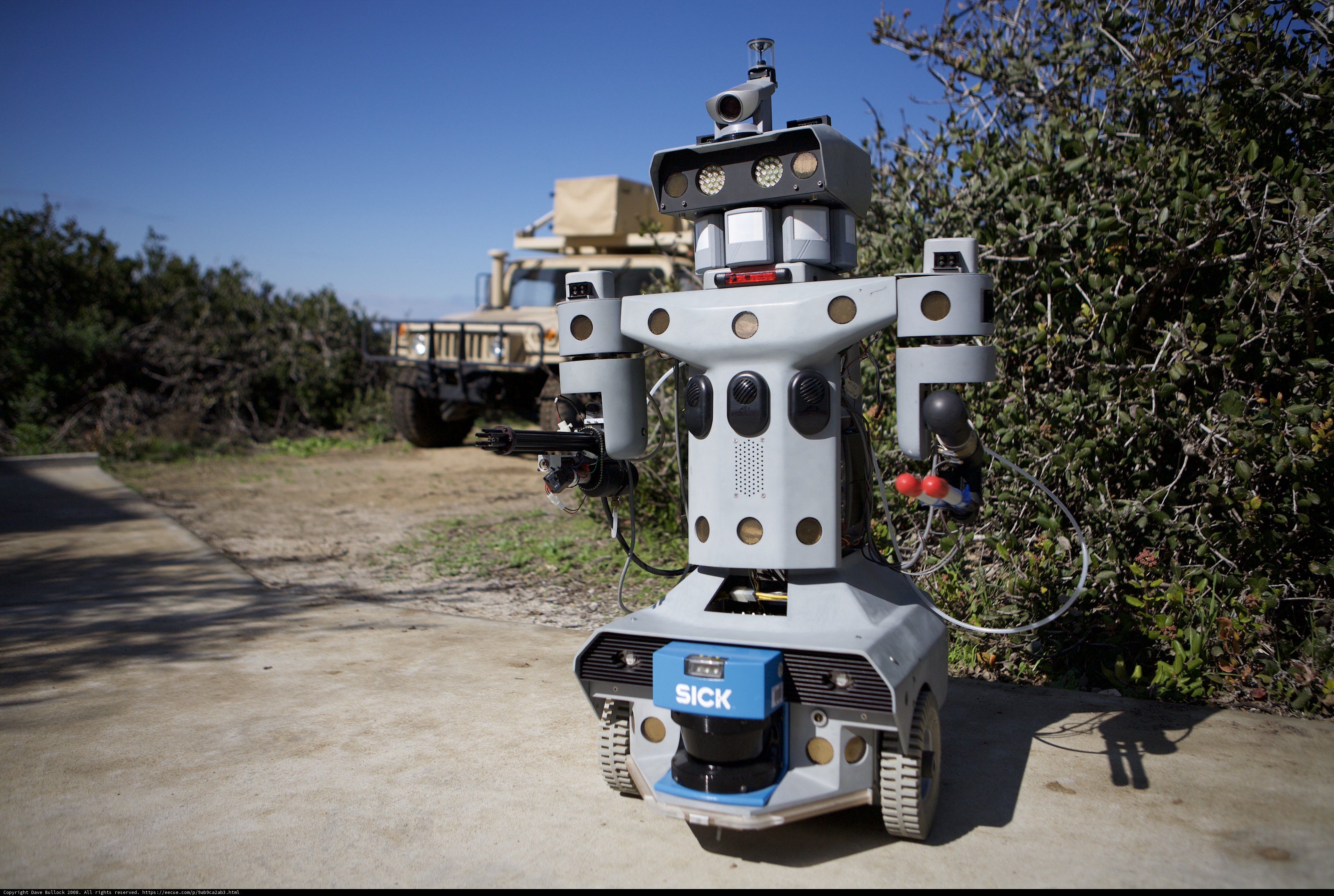
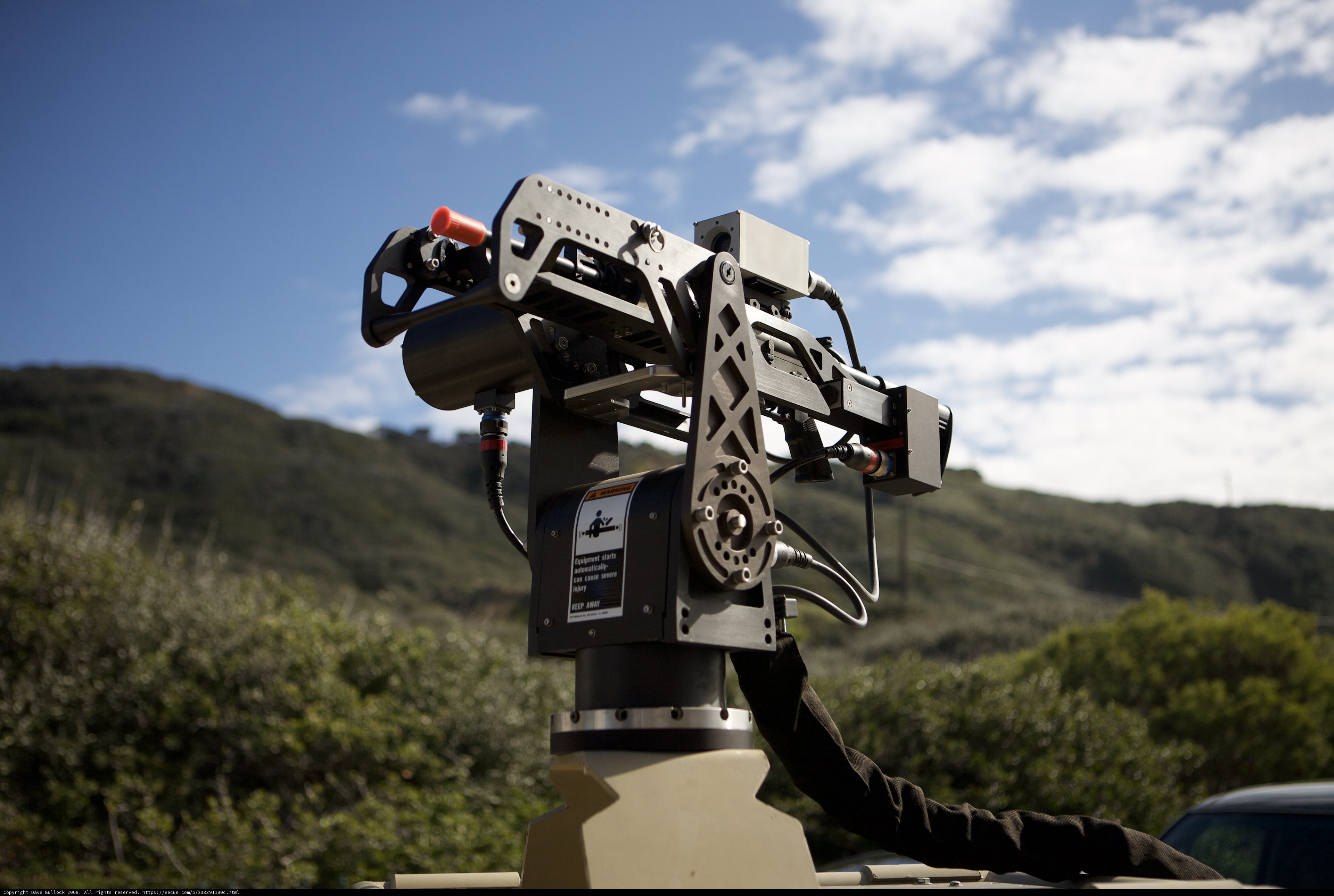
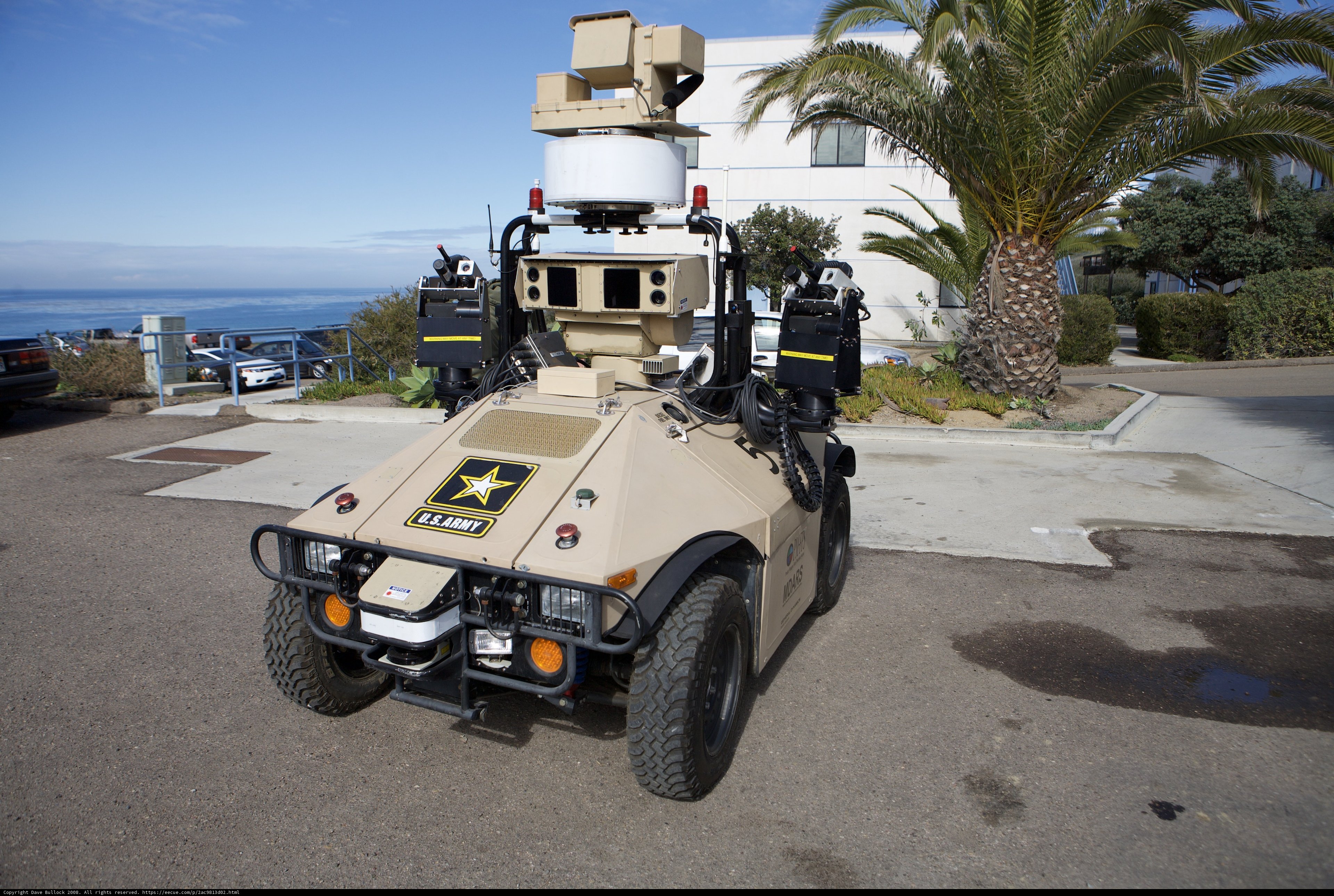
In 2008, I had the opportunity to tour SPAWAR, the Space and Naval Warfare Systems Command, now known as NAVWAR. SPA/NAVWAR is a research and development laboratory for the U.S. Navy. During my visit, I was fascinated by the various autonomous military robots that were being developed and tested there. I photographed the tour and wrote about it for WIRED News.

Fast-forward to 2023, and with the emergence of large language models like ChatGPT and Bing AI, it's possible to imagine how these robots could be controlled using AI in ways that are frankly somewhat terrifying. With great power comes great responsibility, and we must consider the potential risks of relying on AI-powered machines in warfare.

How Large Language Models Could Control Autonomous Robots for War

Large language models like ChatGPT are designed to understand and generate human-like language. They work by training on vast amounts of text data, which enables them to recognize patterns and make predictions about what words are likely to come next in a sentence. With this ability, it's possible to use natural language commands to control autonomous robots on the battlefield.

For example, a commander could use a chatbot interface to ask an autonomous drone to perform a specific task, such as "Scan the area for enemy activity and report back." The drone would then use its onboard sensors to perform the task and send the results back to the commander. This type of interaction could reduce the need for human operators in dangerous situations and provide real-time intelligence to decision-makers.

The Potential Risks of Autonomous War Machines

While the idea of using AI-powered machines in warfare may seem appealing, it's important to consider the potential risks. One major concern is the possibility of unintended consequences. Autonomous robots rely on algorithms and programming to make decisions, and there's always the risk of a bug or glitch causing the machine to behave in unexpected ways. This could lead to unintended harm to civilians or friendly forces.

Another concern is the potential for hackers to gain control of autonomous robots. If an adversary were able to gain access to the communication channels used to control the machines, they could potentially cause havoc on the battlefield. They could redirect drones to attack friendly forces or civilians, or use them for reconnaissance to gain a tactical advantage.

March 9, 2023 Read more →

February 2023

Using GPT-3 to Write Captions Based on Image Keywords, People, Albums, and Locations

Have you ever wanted to caption your photos automatically? With the GPT-3 Davinci model from OpenAI, you can do just that! By using image keywords, people, locations, and the album name, you can use AI/ML to generate captions that are not only descriptive, but also entertaining (and frequently hilariously wrong).

In this post, I’ll explore the capabilities of GPT-3 for writing captions based on image data, and how it can add a new dimension to your photos.

February 15, 2023 Read more →